
WINGS AT RISK Concern Grows Over Cape Vulture Deaths Near Powerlines
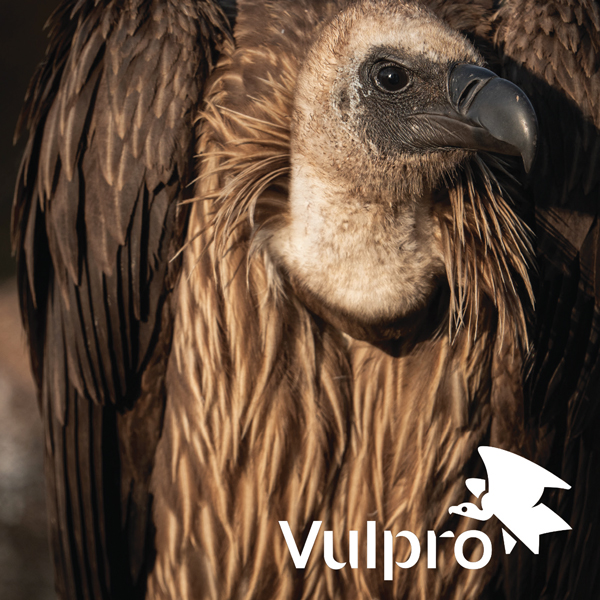
Thabazimbi – The recent discovery of twelve deceased Cape Vultures near a stretch of powerlines just outside Marakele National Park has reignited concerns among conservationists and community members. The site lies only 500 metres from one of South Africa’s most important breeding colonies for the species, and experts believe the losses may reflect a pattern that has persisted for nearly a decade.
While the exact number of past fatalities remains under investigation, local observations estimate that up to 100 vultures may have died at this location over the past nine years. The area forms part of a known migration route for the birds, with regular sightings of vultures perching or flying near the infrastructure.
WHAT HAPPENED?
VulPro, a registered vulture conservation organisation, has confirmed its involvement in investigating the recent incident, and is working closely with landowners and relevant stakeholders.
A local farmworker, who has maintained the area’s fences and infrastructure for nearly a decade, noted that vulture deaths near this site are not a new occurrence:
“Every year, when I check the lines, I see them. Sometimes they’re burned — I’ve seen maybe 80 to 100 over the years,” he said.
The same area had previously been highlighted by conservationists as a potential risk zone due to the design and position of overhead structures. Reports dating back as far as 2015 suggested mitigation steps that could reduce the likelihood of bird collisions or electrocutions.
ESKOM AND THE WAY FORWARD
Eskom has been informed of the latest incident. According to VulPro, the utility does not currently include informal or historical observations in its official records, instead documenting only the most recent confirmed numbers — twelve in this case.
The power utility has consistently expressed a willingness to engage on environmental matters, and VulPro has encouraged further dialogue to explore collaborative solutions.
“This is not just a tragic accident — it is a predictable and entirely preventable loss of an endangered species,” said Kerri Wolter, CEO and founder of VulPro. “We have repeatedly flagged this area near Marakele as high-risk. Eskom has the means and the responsibility to implement urgent mitigation measures. Their failure to act cost these birds their lives.”
VulPro suggests that long-term solutions may include retrofitting the line with bird-friendly structures or exploring alternative routing in sensitive areas.
WHY THIS MATTERS
Cape Vultures (Gyps coprotheres) are listed as Vulnerable on the IUCN Red List, with an estimated 9,600–12,800 mature individuals remaining. They play a vital role in the ecosystem by cleaning up carcasses, helping to curb the spread of disease.
With each pair laying just one egg per season, the loss of even a few breeding adults can significantly impact future generations. Their survival depends on safe nesting areas — and safe airspace.
HOW YOU CAN HELP
Report injured or deceased vultures and large birds to
VulPro:
082 808 5113
kerri@vulpro.com
www.vulpro.com
Community members are encouraged to report sightings, and help raise awareness about the importance of these birds in our ecosystem. Constructive dialogue and pressure can help fast-track improvements to high-risk infrastructure.
A VISION FOR RECOVERY: THE WATERBERG WILDLIFE AND VULTURE CENTRE
To help reduce future losses and better respond to emergencies, a proposed vulture conservation and rehabilitation hub has been suggested for the Waterberg Biosphere.
This facility would:
Provide veterinary care and rehabilitation for injured birds
Serve as a rapid-response base for poisoning and electrocution events
Offer education and training opportunities for local communities
Create jobs and promote eco-tourism
Expand scientific research and breeding programmes
The centre would be ideally located near Marakele, in a newly declared conservancy zone.
are home to one of the largest Cape Vulture
breeding colonies in the region.